

WHO IS JONATHAN STROUD?
Jonathan Stroud is a highly skilled business consultant with a focus on paid acquisition, sales funnels, and direct response marketing.
Jonathan's expertise is in paid acquisition, including the use of Meta Ads and TikTok Ads.
He has a deep understanding of how to drive strong returns on investment (ROI) for his clients, and has helped hundreds of entrepreneurs increase their profitability and make a meaningful impact in their communities.
More About Jonathan
In addition to his skills in paid acquisition and direct response marketing, Jonathan is also well-known for his ability to build highly effective sales funnels.
He has a keen eye for identifying opportunities for optimization and has helped hundreds of businesses streamline their sales processes and increase their overall revenue.
Jonathan's dedication to helping entrepreneurs succeed has earned him numerous accolades, including the prestigious 2 Comma Club Award from ClickFunnels. This award is given to only the top 1% of entrepreneurs who have achieved over $1 million in sales through a single sales funnel, and is a testament to Jonathan's expertise and success in the industry.
Jonathan's passion for helping others succeed, combined with his expertise and track record of success, make him a valuable asset to any business looking to grow and thrive.
Whether you're a small startup or a well-established company, Jonathan has the skills and experience to help you reach your goals and achieve long-term success.
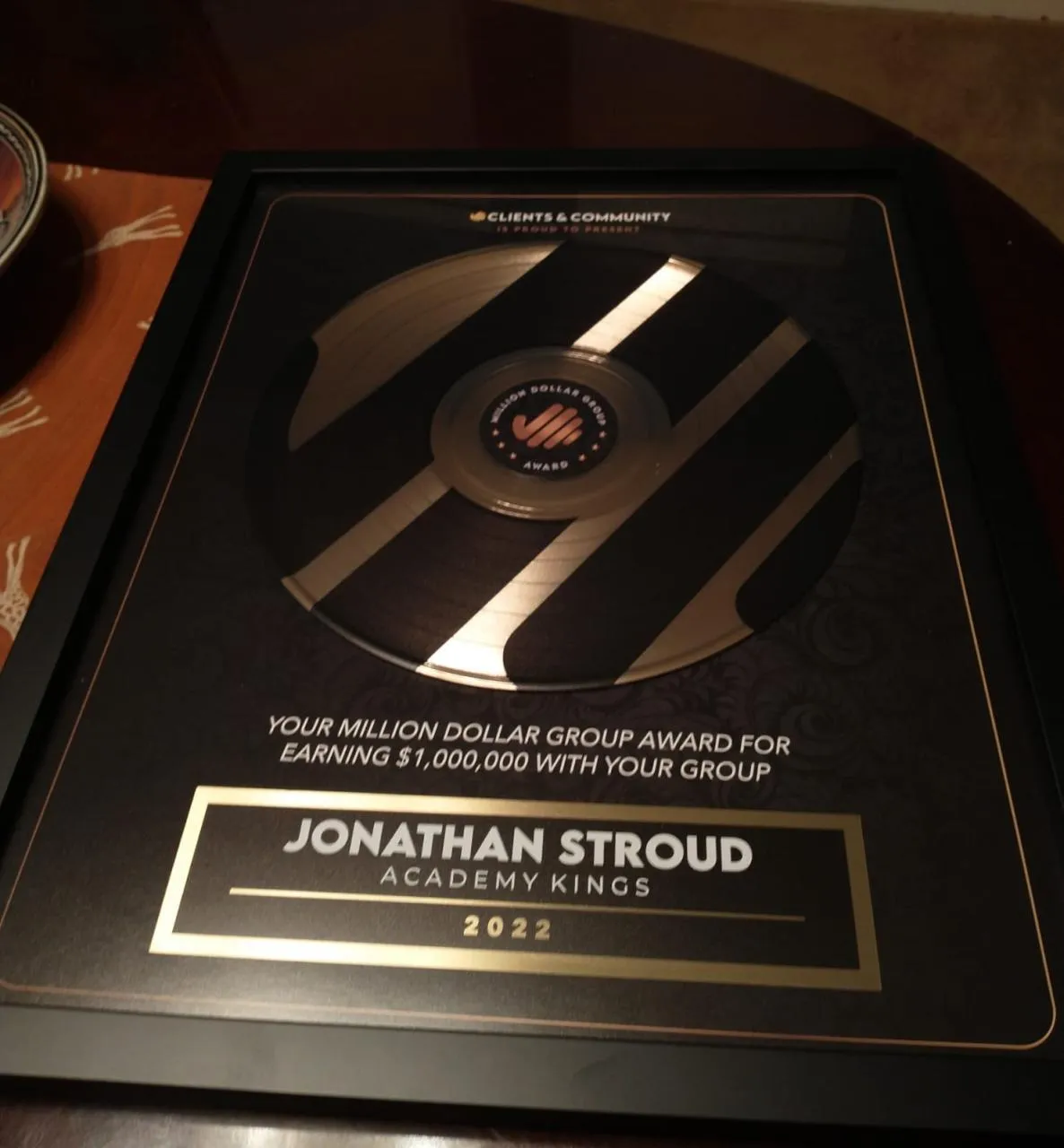
$1,000,000 Award For Group Ads Funnel
Awarded Paid Ads Facebook Group Sales Funnel That Generated Over $1,000,000+ in Sales Awarded by Clients & Community.


PASSIONS
All things Space,
marketing,
sales funnels & paid ads.
Reading & learning
Growth mindset.

3X NASA SOCIAL
Attended Multiple NASA Social to include:
Journey to Mars SLS Engine Test
ORBITAL ATK: ANTARES RETURN TO FLIGHT
NASA's Langley Research Center splashdown test of the Orion Crew Module.

COPYWRITING
After college, was freelancee copywriter with USRA for NASA's SOFIA Telescope.
& had a space blog where interviewed Apollo 15 & STS Astronauts monetized through affiliate marketing & influencer strategies.
Featured ON:






GET TO KNOW JONATHAN BETTER:



Read Jonathan's Latest Blogs Here:
Space Marketing Calendar 2027: Dates to Plan Content Around
TL;DR: A good space marketing calendar mixes four kinds of dates: industry conferences, space awareness days, planned missions and budget moments. For 2027, anchor your year on events like Commercial Space Week (January), SATELLITE (March), Space Symposium (April) and SmallSat (August), awareness days like April 12 and World Space Week in October, and missions like Artemis III. Plan content before each date, not the week of it, and write copy that still works if a launch slips.
Key takeaways
- Fixed dates (conferences and awareness days) are safe to plan around early.
- Mission dates are targets, so build flexible content for them.
- Each moment needs a reason your buyers should care, not just a post.
- Plan three pieces for every big date: before, during and after.
Why use a space marketing calendar?
Space buyers pay attention around big moments. A calendar helps you show up with something useful when they are already looking. It also saves your team from last-minute posts. Use the dates below as a starting skeleton, then add your own launches, product releases and customer milestones. For the overall planning process, use our space marketing plan template for 2027.
Q1 2027: January to March
| Date | Moment | Content idea |
|---|---|---|
| Jan 11 to 14 | Commercial Space Week, Orlando (expo Jan 12 to 14) | Book meetings in December; post a show preview |
| Early 2027 | First orbital launch target for Stoke Space's Nova, per Stoke | Commentary on reusability for your buyers |
| Mar 8 to 11 | SATELLITE 2027, Washington, DC | Satellite and ground segment case studies |
Planning tip: Q1 is when many teams set budgets. Publish your most useful planning content early in January.
Q2 2027: April to June
| Date | Moment | Content idea |
|---|---|---|
| April | PLATO launch planned, per ESA | Explain what the mission means for European suppliers |
| April 12 | International Day of Human Space Flight and Yuri's Night | Team and culture posts, a human story from your company |
| Apr 12 to 15 | Space Symposium, Colorado Springs | Meeting outreach, short video from the show |
| Spring | NASA commercial space station awards expected, per NASA | What the awards mean for suppliers |
| Jun 14 to 20 | Paris Air Show | International partnership content |
| June 30 | International Asteroid Day | Planetary defense and space safety angles |
Planning tip: April is the busiest month. Draft your Space Symposium and April 12 content in March.
Q3 2027: July to September
| Date | Moment | Content idea |
|---|---|---|
| Aug 1 to 4 | SmallSat 2027 (venue to be announced) | Technical posts, booth invites, recruiting |
| September | End of the U.S. federal fiscal year on September 30 | Remind government buyers about end-of-year needs |
Planning tip: summer is a good time to publish deeper guides and case studies, when news is slower.
Q4 2027: October to December
| Date | Moment | Content idea |
|---|---|---|
| October 1 | Start of the U.S. federal fiscal year 2028 | Budget and program outlook posts |
| Oct 4 to 10 | World Space Week | Education, community and outreach content |
| Late 2027 | NEO Surveyor launch planned, per NASA | Space safety and data angles |
| December | Year in review | Your company's milestones and lessons |
Missions with a 2027 target
Some big missions have a 2027 target but no fixed date yet. NASA says Artemis III will launch in 2027 as a crewed test in Earth orbit. Vast is targeting 2027 for its Haven-1 station. Rocket Lab expects Neutron's first launch in 2027. Build "ready to go" content for each and publish when the date firms up. Our guide on how to market a satellite launch shows how to prepare. For more on each target, see the rocket launches and missions to watch in 2027.
For the full list of 2027 conferences and trade shows, see our space industry conferences guide.
How do you plan content around each date?
- Before: a preview, a meeting invite or a short explainer, one to three weeks ahead. Our guide to space conference pre-event outreach helps.
- During: short posts, photos or video with a clear point. See space company video marketing.
- After: a follow-up with lessons, data or a recap, and personal follow-up with everyone you met.
Keep claims factual. Only connect your company to a mission or event if the link is real and approved.
What else should go on your calendar?
- Your own milestones: launches, product releases, funding news and contract wins. See our contract announcement playbook.
- Customer events: user meetings, webinars and demo days.
- Quarterly reviews: check what worked and update the next quarter.
The space marketing guide shows how this calendar fits into a full strategy.
Frequently asked questions
What are the biggest space industry events in 2027?
Major 2027 events include Commercial Space Week in January, SATELLITE in March, Space Symposium in April, the Paris Air Show in June and SmallSat in August. Check each organizer's site before you book travel.
What space awareness days are in 2027?
The UN marks the International Day of Human Space Flight on April 12, International Asteroid Day on June 30 and World Space Week from October 4 to 10. Yuri's Night events are held around April 12.
How far ahead should I plan space event content?
Start one to three months ahead for big conferences, and at least a few weeks ahead for awareness days. Book meetings well before the event.
Should I plan content around launch dates?
Yes, but stay flexible. Launch dates often slip, so prepare content that works whenever the mission flies.
How many dates should a space startup focus on?
Pick a handful that matter to your buyers, usually two or three events and two or three awareness days, and do them well.
Want to work through this with other space founders?
Join Space Entrepreneurs, free. Space Entrepreneurs is the free Skool community I host for founders who are starting, marketing and growing space companies. Bring your questions, share what you are working on and learn from people building in the same industry.


Want Better Ads?
Get Your Ads Health Checklist For FREE Today!

