

WHO IS JONATHAN STROUD?
Jonathan Stroud is a highly skilled business consultant with a focus on paid acquisition, sales funnels, and direct response marketing.
Jonathan's expertise is in paid acquisition, including the use of Meta Ads and TikTok Ads.
He has a deep understanding of how to drive strong returns on investment (ROI) for his clients, and has helped hundreds of entrepreneurs increase their profitability and make a meaningful impact in their communities.
More About Jonathan
In addition to his skills in paid acquisition and direct response marketing, Jonathan is also well-known for his ability to build highly effective sales funnels.
He has a keen eye for identifying opportunities for optimization and has helped hundreds of businesses streamline their sales processes and increase their overall revenue.
Jonathan's dedication to helping entrepreneurs succeed has earned him numerous accolades, including the prestigious 2 Comma Club Award from ClickFunnels. This award is given to only the top 1% of entrepreneurs who have achieved over $1 million in sales through a single sales funnel, and is a testament to Jonathan's expertise and success in the industry.
Jonathan's passion for helping others succeed, combined with his expertise and track record of success, make him a valuable asset to any business looking to grow and thrive.
Whether you're a small startup or a well-established company, Jonathan has the skills and experience to help you reach your goals and achieve long-term success.
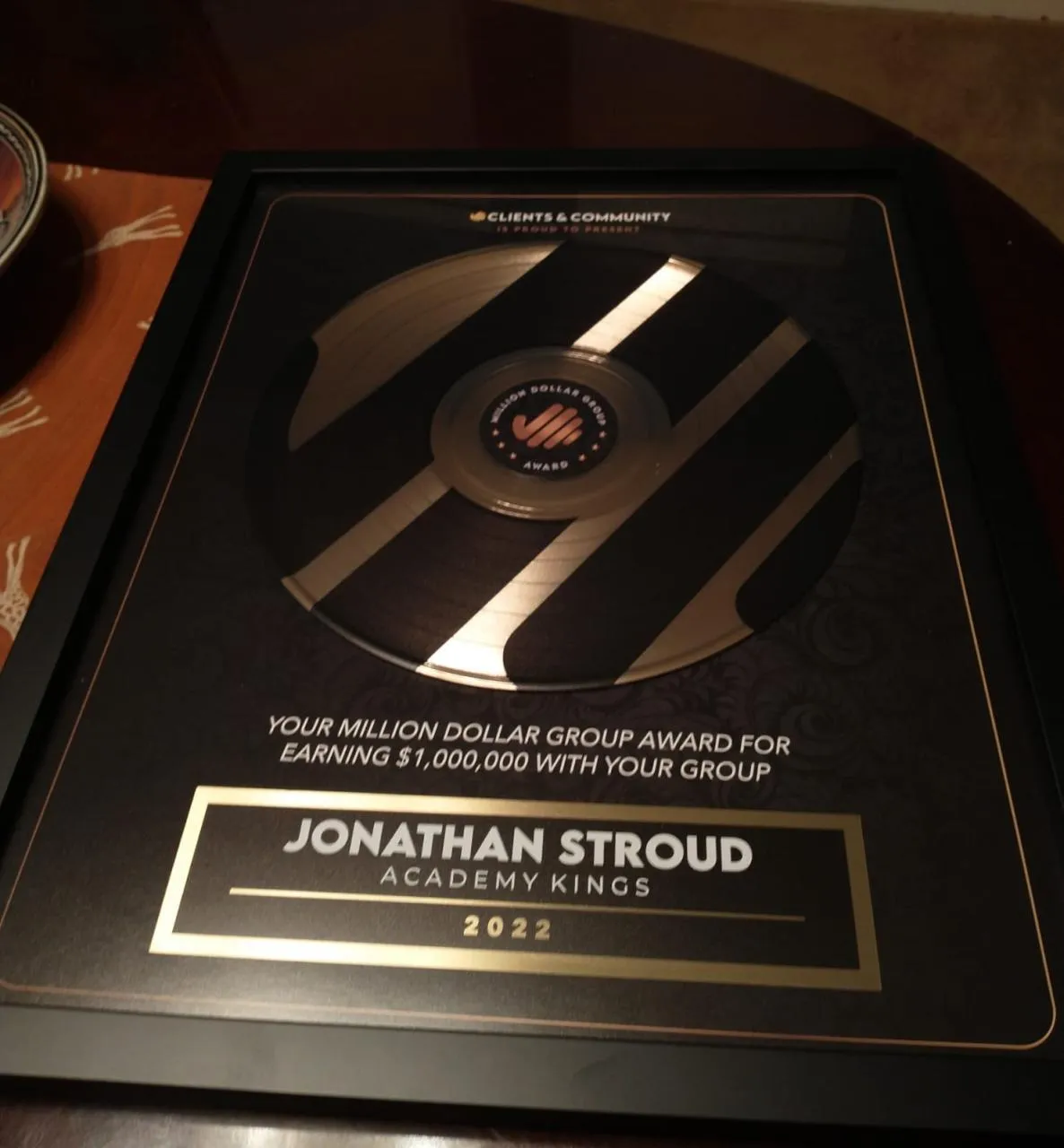
$1,000,000 Award For Group Ads Funnel
Awarded Paid Ads Facebook Group Sales Funnel That Generated Over $1,000,000+ in Sales Awarded by Clients & Community.


PASSIONS
All things Space,
marketing,
sales funnels & paid ads.
Reading & learning
Growth mindset.

3X NASA SOCIAL
Attended Multiple NASA Social to include:
Journey to Mars SLS Engine Test
ORBITAL ATK: ANTARES RETURN TO FLIGHT
NASA's Langley Research Center splashdown test of the Orion Crew Module.

COPYWRITING
After college, was freelancee copywriter with USRA for NASA's SOFIA Telescope.
& had a space blog where interviewed Apollo 15 & STS Astronauts monetized through affiliate marketing & influencer strategies.
Featured ON:






GET TO KNOW JONATHAN BETTER:



Read Jonathan's Latest Blogs Here:
Commercial Space Stations 2027: What Founders Should Know
TL;DR: 2027 is a turning point for commercial space stations. NASA released its final request for proposals for commercial stations in October 2026, with proposals due December 14 and awards expected in spring 2027. Vast is targeting a 2027 launch for Haven-1. Blue Origin has stepped out of NASA's competition, leaving a smaller field of known contenders. For founders, the opportunity is less about building a station and more about supplying one: research payloads, logistics, crew support, software and services.
Key takeaways
- NASA wants to buy station services, not own a station, after the ISS retires.
- Awards in spring 2027 will show which teams NASA trusts to deliver.
- Most startup opportunities sit in the supply chain around stations.
- Budget support is real but not settled, so plan for delays.
What is a commercial space station?
A commercial space station is a habitat in low Earth orbit that a private company builds and runs. Customers such as NASA, other governments, researchers and private astronauts buy time, space and services on it. NASA calls these stations commercial low Earth orbit destinations (CLDs).
What is NASA doing in 2027?
On October 9, 2026, NASA announced its final request for proposals for the next generation of commercial space stations. Key points from the release:
- Proposals are now due December 14, 2026 (NASA extended the original December 14 date in an amendment), with contract awards expected in spring 2027.
- NASA plans firm-fixed-price, multi-award contracts covering development, certification and services.
- It intends to select two or more contractors for early development, followed by a competitive task order for final design, testing and certification.
- NASA Administrator Jared Isaacman said NASA wants to see "credible plans, strong technical execution, and companies prepared to invest."
What it means: NASA is acting as an anchor customer, not the owner. Winning teams will need other customers too.
Who is competing?
On November 13, 2026, Blue Origin said it would not bid its Orbital Reef station in this round. It is moving those resources to its lunar work. Known contenders include Axiom Space, Vast and the Starlab team, as we covered in our Orbital Reef exit lessons. Final bidders will not be public until NASA announces awards.
Haven-1's 2027 target
Vast's Haven-1 page says the station is targeted to launch in 2027 and will host an innovation lab for private astronauts and government missions. If it flies on schedule, it would be a major proof point for the whole market. Our space industry trends for 2027 post covers the bigger picture. Launch timing matters too, so see the rocket launches and missions to watch in 2027.
How is Congress funding commercial stations?
The White House's FY2027 request would cut NASA's space operations account by 27%, according to The Planetary Society. The Senate Appropriations subcommittee's bill, released November 12, provides up to $299.8 million for commercial station development and urges full use of the ISS, SpacePolicyOnline reported. It also provides $15 million to develop returnable uncrewed vehicles that can bring cargo back to Earth. None of this is final until Congress passes a budget.
What it means: support is there, but the exact amount and timing are not. Build your plan so it survives a slip.
Where do startups fit in?
You do not need to build a station to win in this market. Stations need a long supply chain:
- Research payloads and lab hardware. Companies that help customers fly experiments.
- Cargo and return. Getting supplies up and results back down.
- Crew support. Training, health monitoring, food and comfort systems.
- Power, thermal and life support parts. Components for station builders.
- Communications and software. Data links, scheduling and operations tools.
- In-space manufacturing. Products that benefit from microgravity.
- Services for customers. Mission planning, integration and marketing for the companies that fly.
The Space Foundation reports that in-space servicing, assembly and manufacturing grew 23% in 2025, in its 2026 Global Space Economy report. Our list of space business ideas has more angles.
How should suppliers market to station builders?
- Know the timeline. Builders will be busy with proposals until December 14, then waiting for awards. Time your outreach around those dates.
- Show flight heritage or test data. Station builders need parts they can certify.
- Talk about risk reduction. Every station team is under pressure to deliver on time.
- Build relationships before awards. Teams pick partners early. Our guide to selling to prime contractors applies here.
- Stay ready for government buyers. See how to sell to NASA.
The space marketing guide covers how to turn this into a full plan.
Frequently asked questions
When will the first commercial space station launch?
Vast says Haven-1 is targeted to launch in 2027. Other stations are planned later. Launch dates for new stations often slip, so check each company's official updates.
When will NASA pick commercial space station companies?
NASA says proposals are due December 14, 2026, and it expects to award contracts in spring 2027. It plans to select two or more contractors for early development.
Is Blue Origin still building Orbital Reef?
Blue Origin said on November 13, 2026 that it would not bid Orbital Reef in NASA's current station competition and is shifting those resources to lunar work.
How can a startup make money from space stations?
Most startup opportunities are in the supply chain: research payloads, cargo, crew support, components, software and customer services.
Will commercial stations replace the ISS?
That is NASA's plan. NASA says it wants a sustained American presence in low Earth orbit after the ISS retires, using commercial stations where it buys services instead of owning the station.
Want to work through this with other space founders?
Join Space Entrepreneurs, free. Space Entrepreneurs is the free Skool community I host for founders who are starting, marketing and growing space companies. Bring your questions, share what you are working on and learn from people building in the same industry.


Want Better Ads?
Get Your Ads Health Checklist For FREE Today!

